Senior software engineer · applied AI product builder
Kason McEwen
I build learning software, backend systems, and AI-enabled products. After 11 years at Amazon working on
large-scale retail systems, I am building CourseNinja: an educational platform for interest-driven courses,
lessons, and interactive activities.
Profile
I like games, I like learning, and I like building things.
I grew up around computers and educational games. My mom was a programmer who helped build classic learning
games, and I started building websites and Flash games as a kid because it was fun. That thread continued
through BYU Independent Study, where I built reusable educational games, and later through Amazon, where I
learned how to build, simplify, release, and operate systems at massive scale.
Story
I started building games because it was fun.
I was born in 1987, and computers were part of the atmosphere of my childhood. My mom was a programmer,
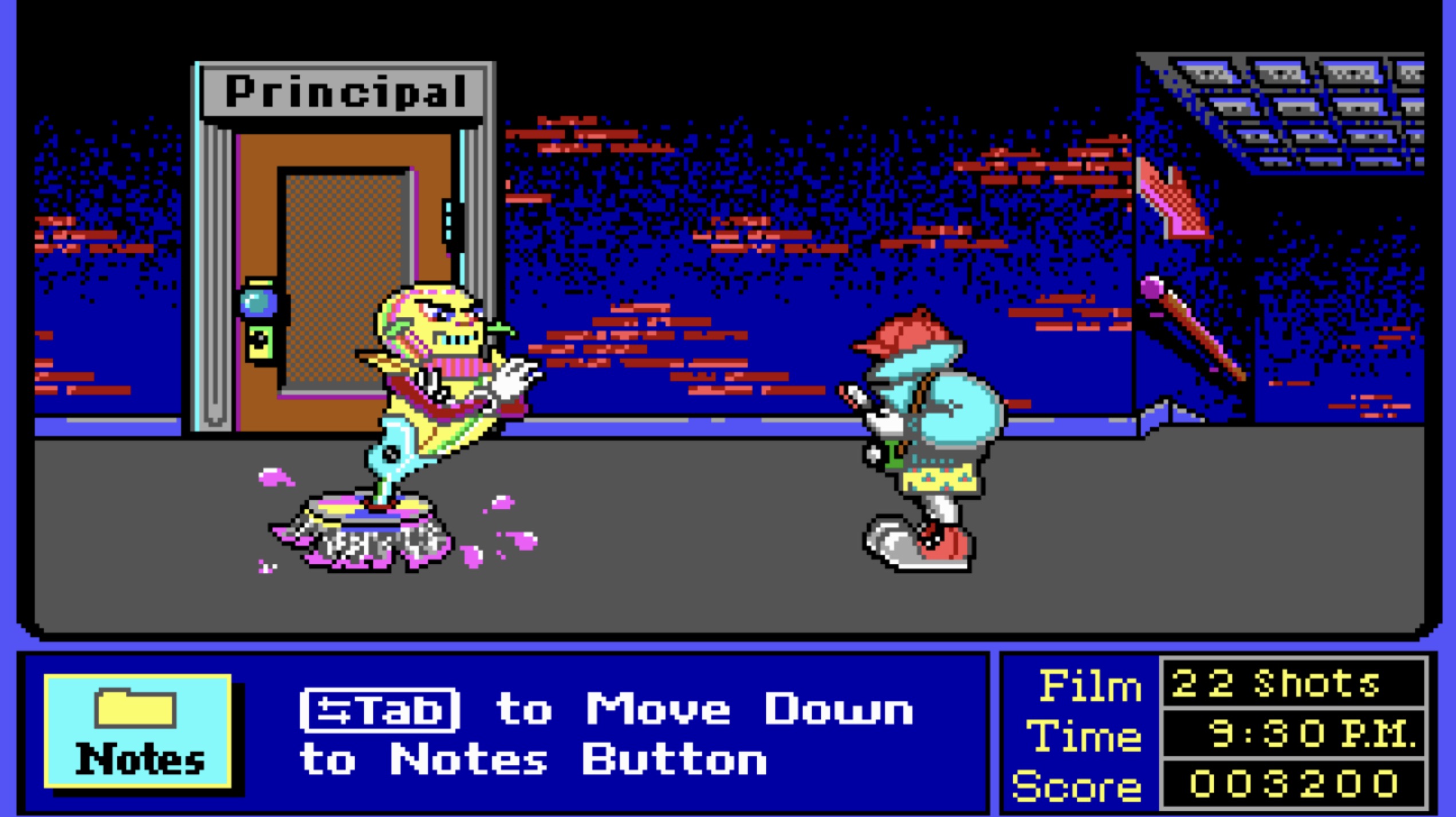
and she was one of the lead programmers on the original version of Midnight Rescue. So I grew up with
this very normal-seeming idea that computers could be playful, visual, and useful for learning.
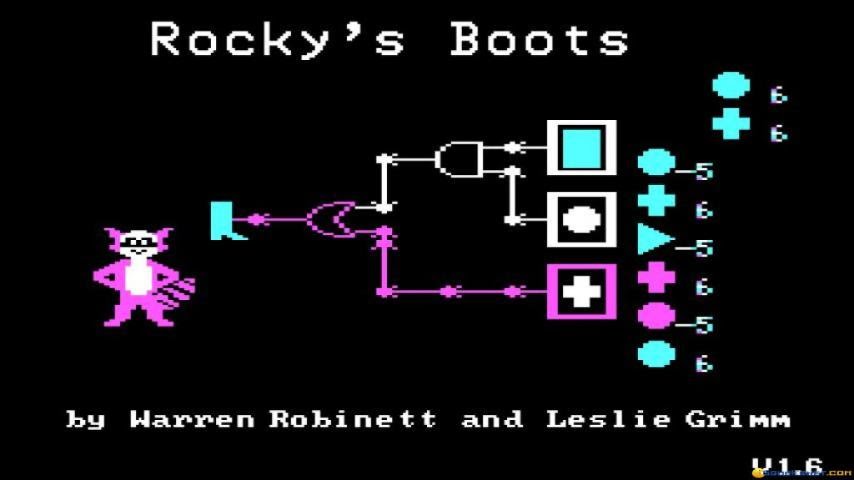
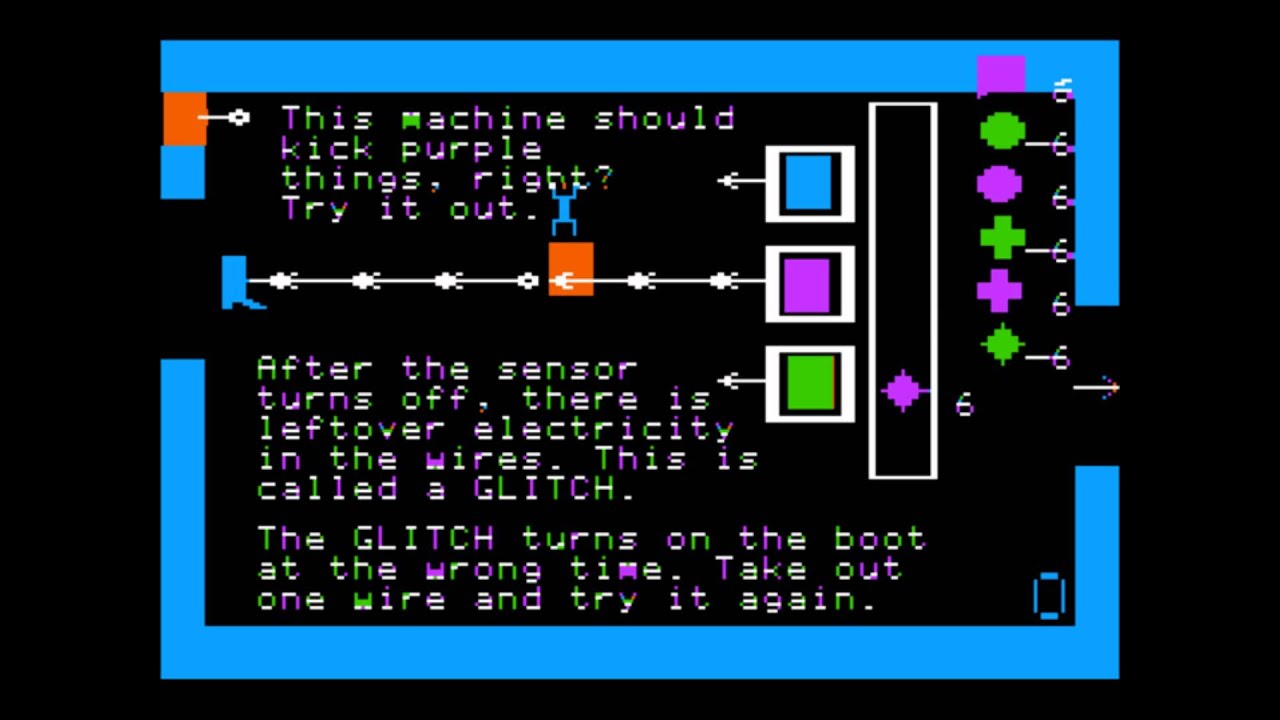
I loved a bunch of classic DOS games in my early childhood: Rocky's Boots, Frogger, Kid Pix, Snake,
Midnight Rescue, Pac-Man, Captain Comic, Digger, Alley Cat, and Battle Chess. Later, in later childhood
and my early teenage years, my brothers and I played whatever random games we could find at the dollar
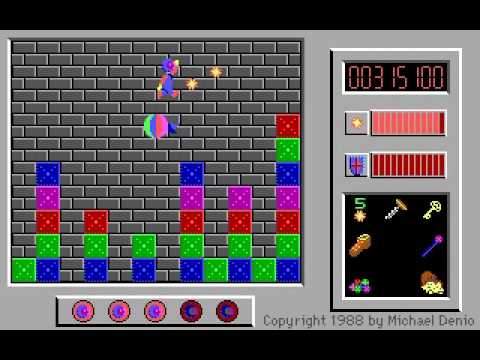
store, including shareware games like Cosmo's Cosmic Adventure. A lot of those games were strange,
visual, playful, and memorable in ways that stuck with me.
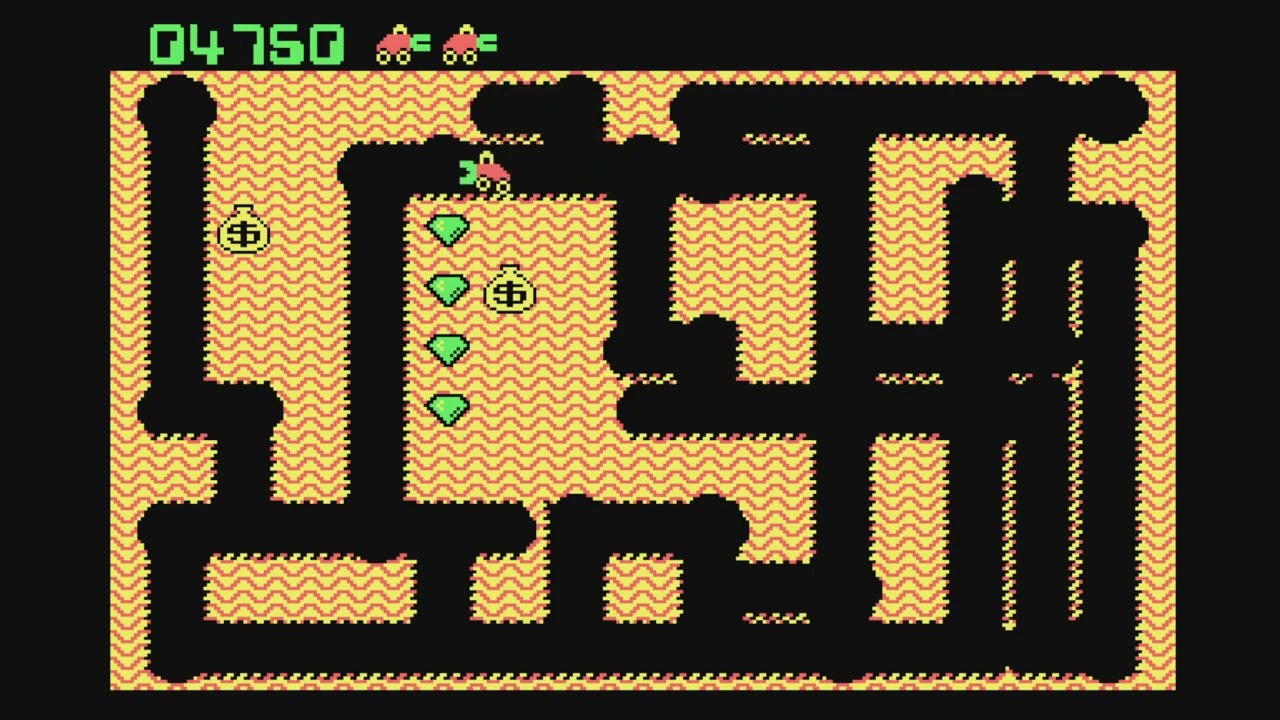
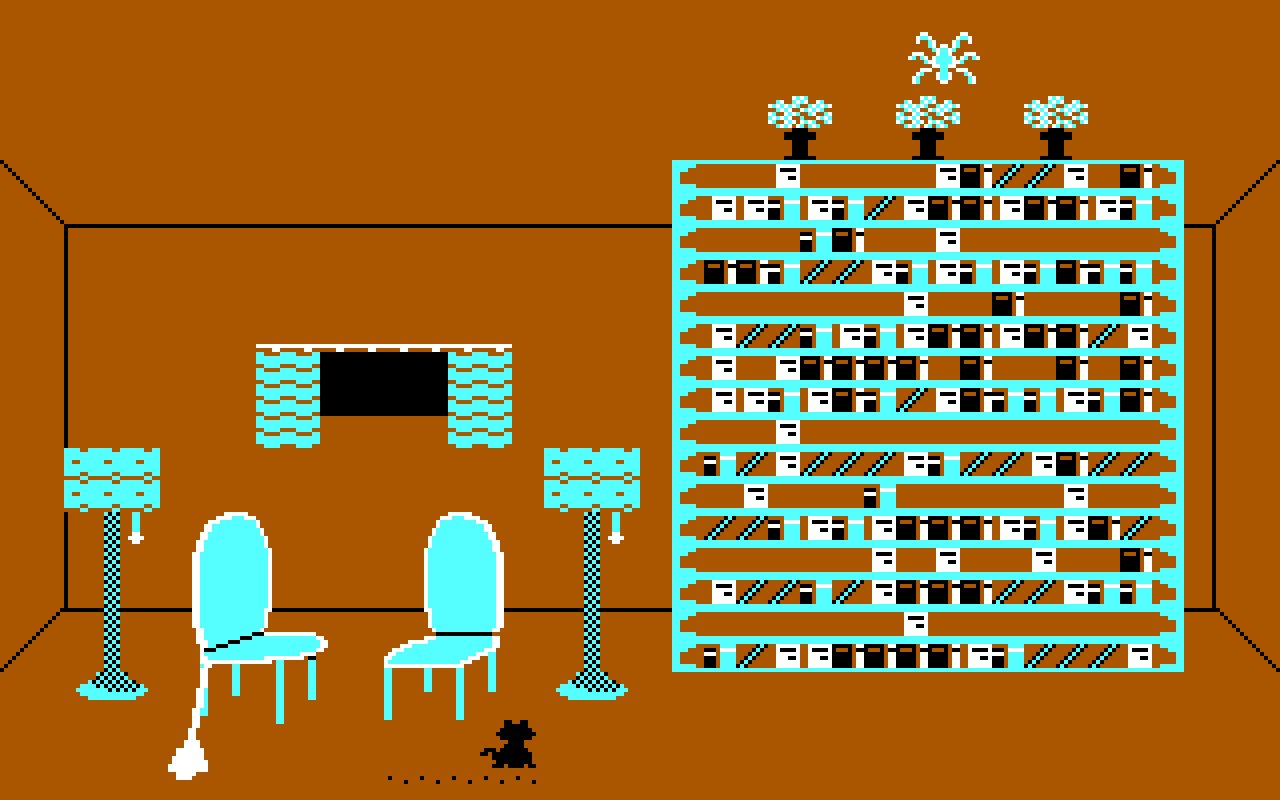
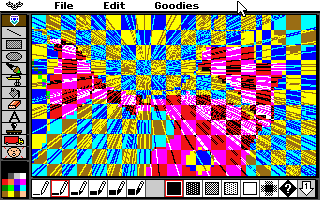
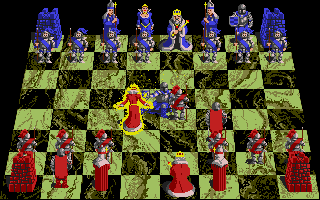
Midnight Rescue, one of the educational games my mom helped bring to life.Rocky's Boots was secretly about circuits and logic gates, but I mostly remember picking things up and experimenting.It was a fun game for imagination and exploration, including a random alligator that would eat you if you grabbed it.Captain Comic: platforming, items, jumping, fireballs, and a lot of imagination.Digger was emeralds, cherries, tunnels, and dodging the enemies that would chase you around.Alley Cat had this weird mini-game energy: jump in a window and see what happens.Kid Pix was drawing, slide shows, and little surprises like the classic "draw me" voice.Battle Chess was fun because the pieces actually battled, like when a rook would eat another character.
I had an active imagination and always thought it would be fun to build my own worlds. In Jr. High I made
little websites in Dreamweaver. In high school my older brother gifted me an Adobe suite with Flash for
Christmas, and that is when I first really started coding games.
Some of my first projects were exactly the kinds of things you would expect from a teenage kid having fun
with Flash: a little stick-figure platformer with arrow-key controls, spike stompers that came down from
the ceiling, and Metallica music because that happened to be in my brother's Apple library. I also made a
buggy Pac-Man clone where you could eat through the walls if you toggled fast enough, and later a Sudoku
solver I made after my wisdom teeth were removed because a friend gave me a packet of puzzles and I
decided it would be more fun to program the solution.
After serving a mission for The Church of Jesus Christ of Latter-day Saints in Ghana and Alabama, I worked
at BYU Independent Study and built educational games for university courses. Instructors would bring the
content and I would build reusable Flash templates driven by XML. Some of the work was practical, some of
it was playful, and I loved the feeling of turning learning material into something interactive.
Later, while I was taking a bioinformatics course, I built an Evolutionary Biology app for iOS. It started
as a school project, but it ended up reaching more than 50K App Store units and even generated a few
thousand dollars. Then my wife, who is Chinese, helped spark my interest in Mandarin, and I built
Chineasily because I wanted language learning to feel more visual and game-like.
Then I spent 11 years at Amazon learning a very different side of software: distributed systems,
operational excellence, CI/CD, observability, controlled rollouts, metrics, latency, reliability, and
simplification at massive scale. That experience changed how I think about building products. I still care
about imagination and learning, but I also care about whether the system can survive contact with real
users.
CourseNinja is where those threads meet. It is games, education, Mandarin learning, science apps,
marketplace-scale engineering, backend systems, and the new creative leverage of AI all colliding in a way
that feels very natural to me. I am having a blast building it.
Career Arc
Games, learning, and the habit of building things myself.
Early spark
Imagination turned into small games.
I loved classic DOS games early on, and later my brothers and I played whatever random shareware games
we could find at the dollar store. In high school, Flash made programming feel immediate: platformers,
buggy experiments, and even a Sudoku solver with animations.
Education software
Reusable learning games at BYU Independent Study.
Instructors brought course ideas and content; I built interactive Flash games and reusable XML-driven
templates. It was playful, practical, and the first time education software felt like a real craft.
Amazon scale
11 years building and simplifying retail systems.
At Amazon I worked on backend systems for seller listings, international catalog expansion, public
developer APIs, operational tooling, observability, controlled rollouts, and large-scale distributed
workflows.
Now
CourseNinja scales the thing I kept building by hand.
CourseNinja combines a lot of things I have enjoyed for a long time: games, education, product
building, backend systems, AI-generated content, and the chance to build learning experiences from
someone else's interests instead of from a fixed template.
Earlier iOS Apps
Before CourseNinja, I shipped a couple of educational iOS apps.
They are no longer listed for sale, mostly because I had a full-time job, family life, and eventually let
them sit too long without updates. But I still have them installed on my phone, and App Store Connect
still shows the history: together they reached about 74.6K App Store units.
2012-202151.6K App Store unitsApple ID 513464425
Evolutionary Biology
I built this while taking a bioinformatics course. It started as a school project, but I listed it for
free in 2012 and it took off more than I expected. I think around 40K of the total downloads happened
during that early free period. My wife eventually convinced me to charge $0.99, and there was an
educational institution discount, so occasionally whole classes would download it.
It generated a few thousand dollars for what was basically a fun school project, which still makes me
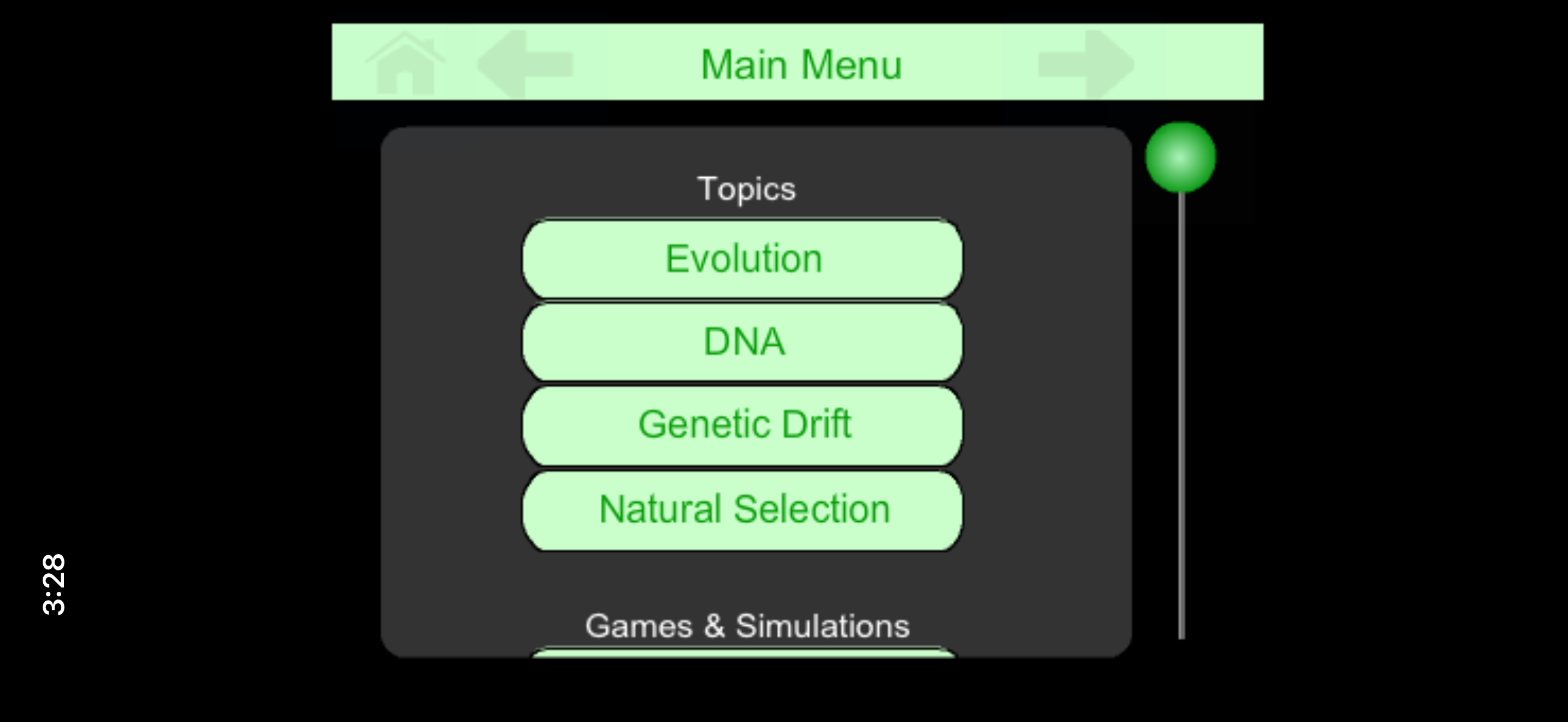
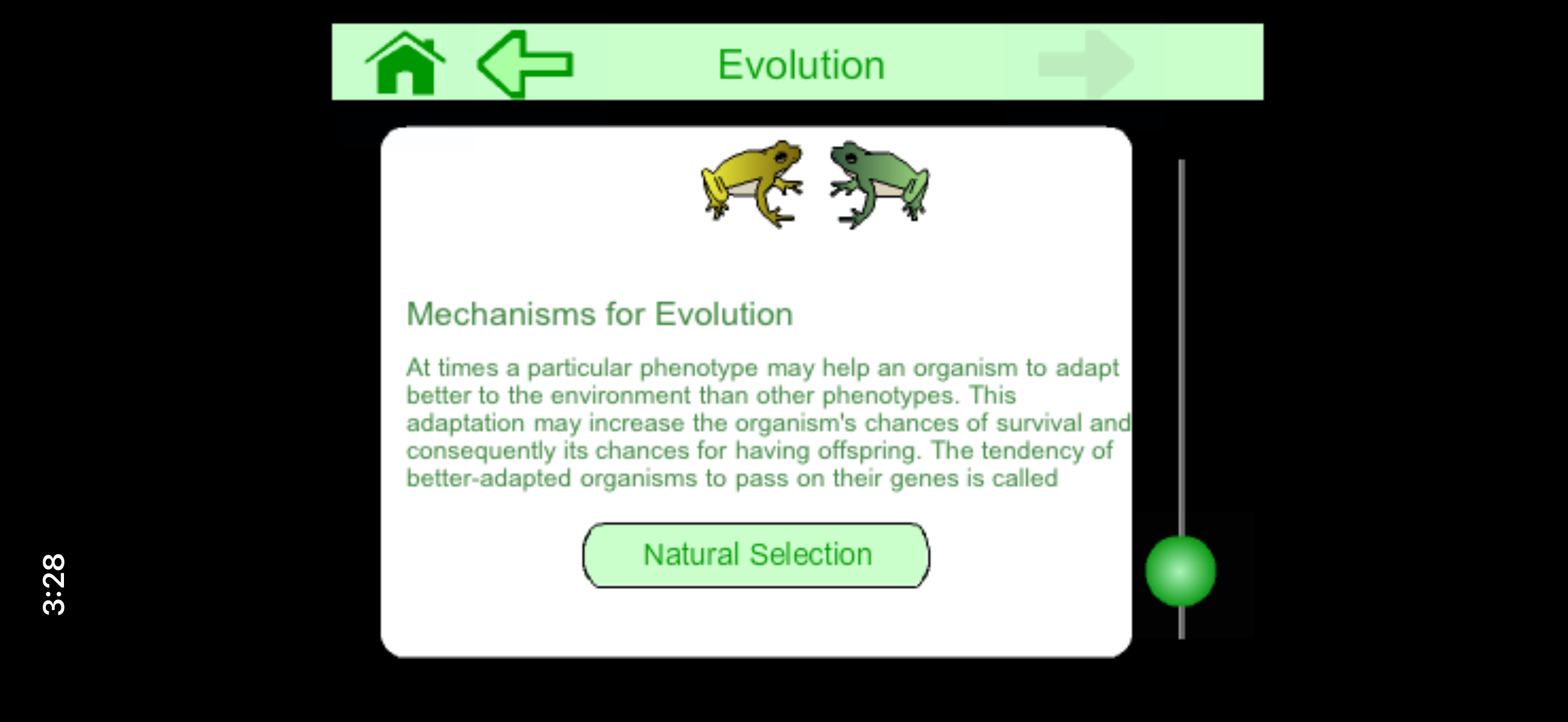
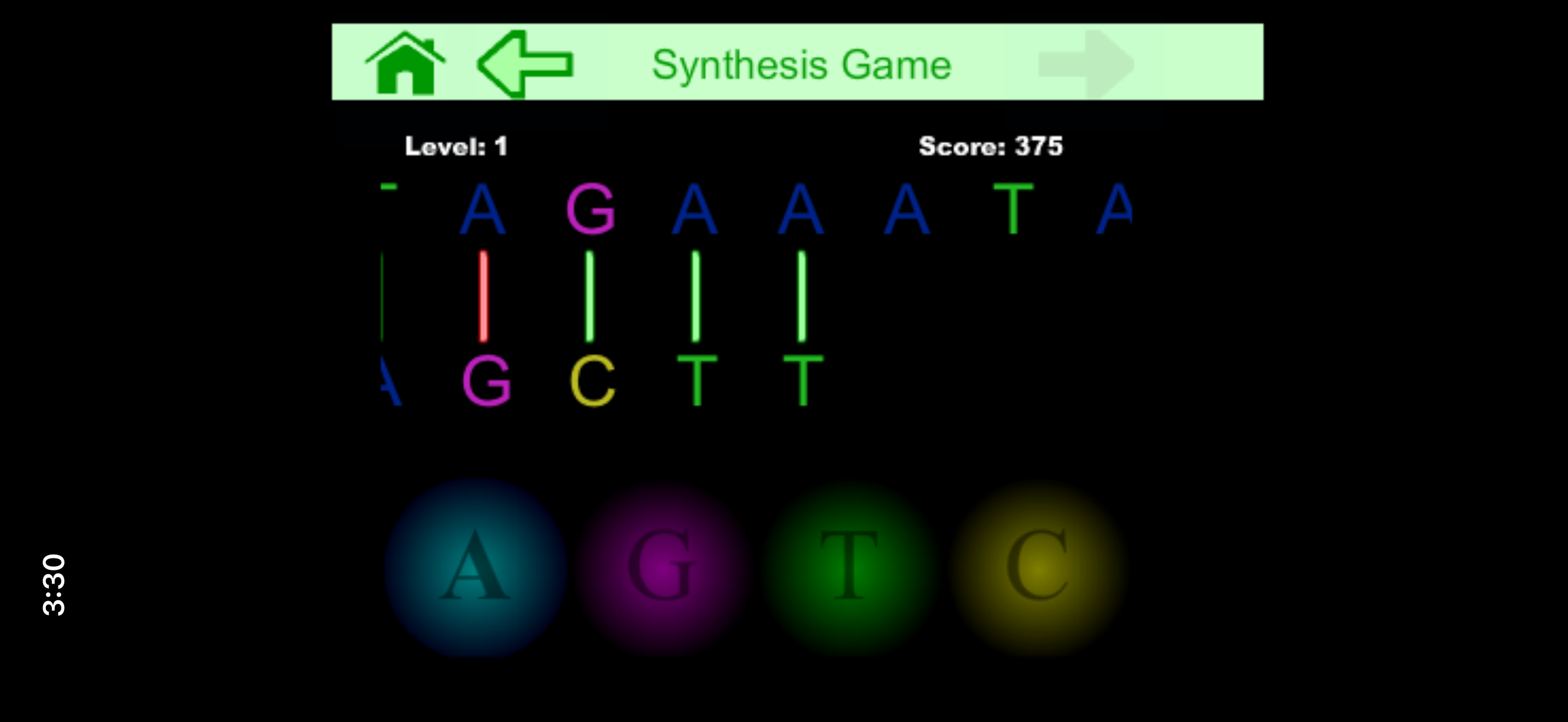
smile. The app included lessons and little interactive pieces around evolution, DNA, natural selection,
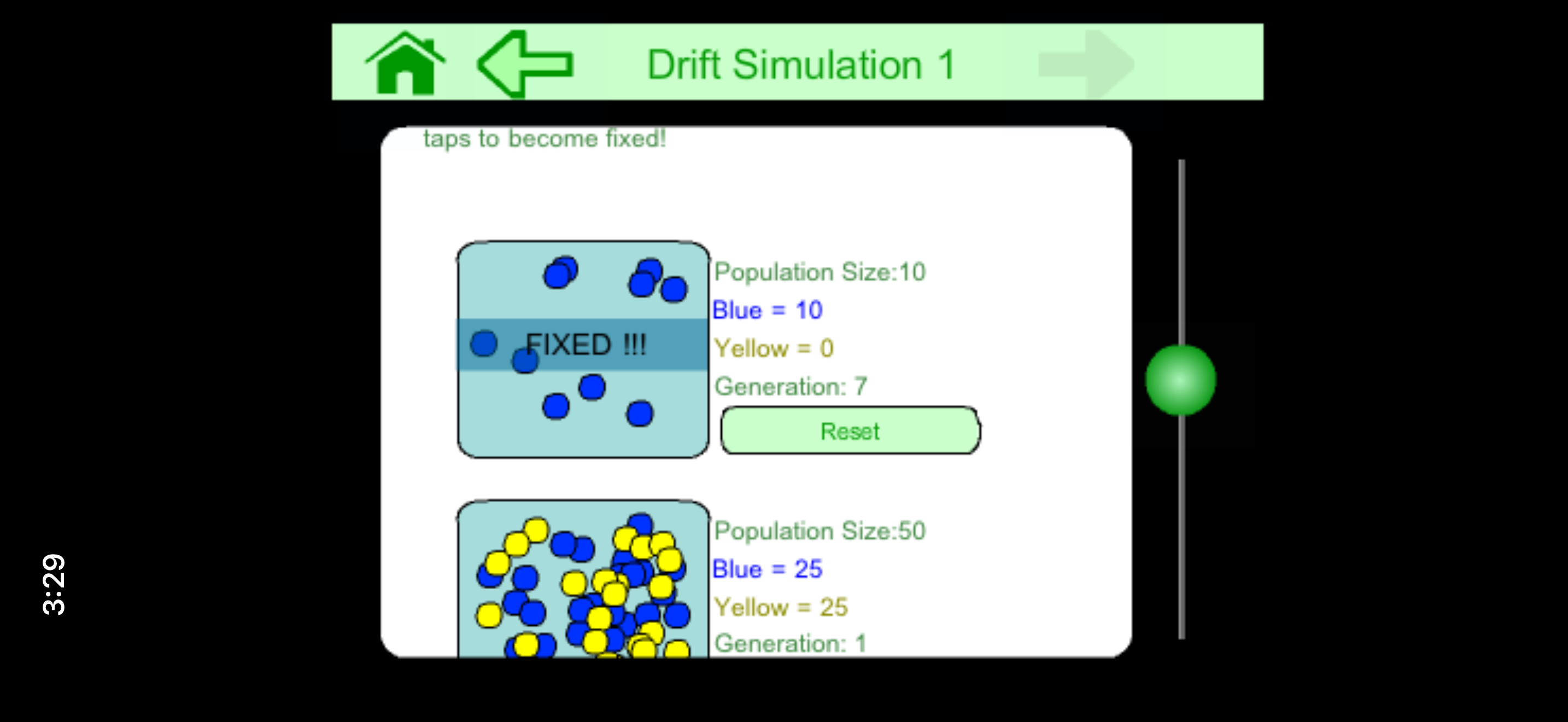
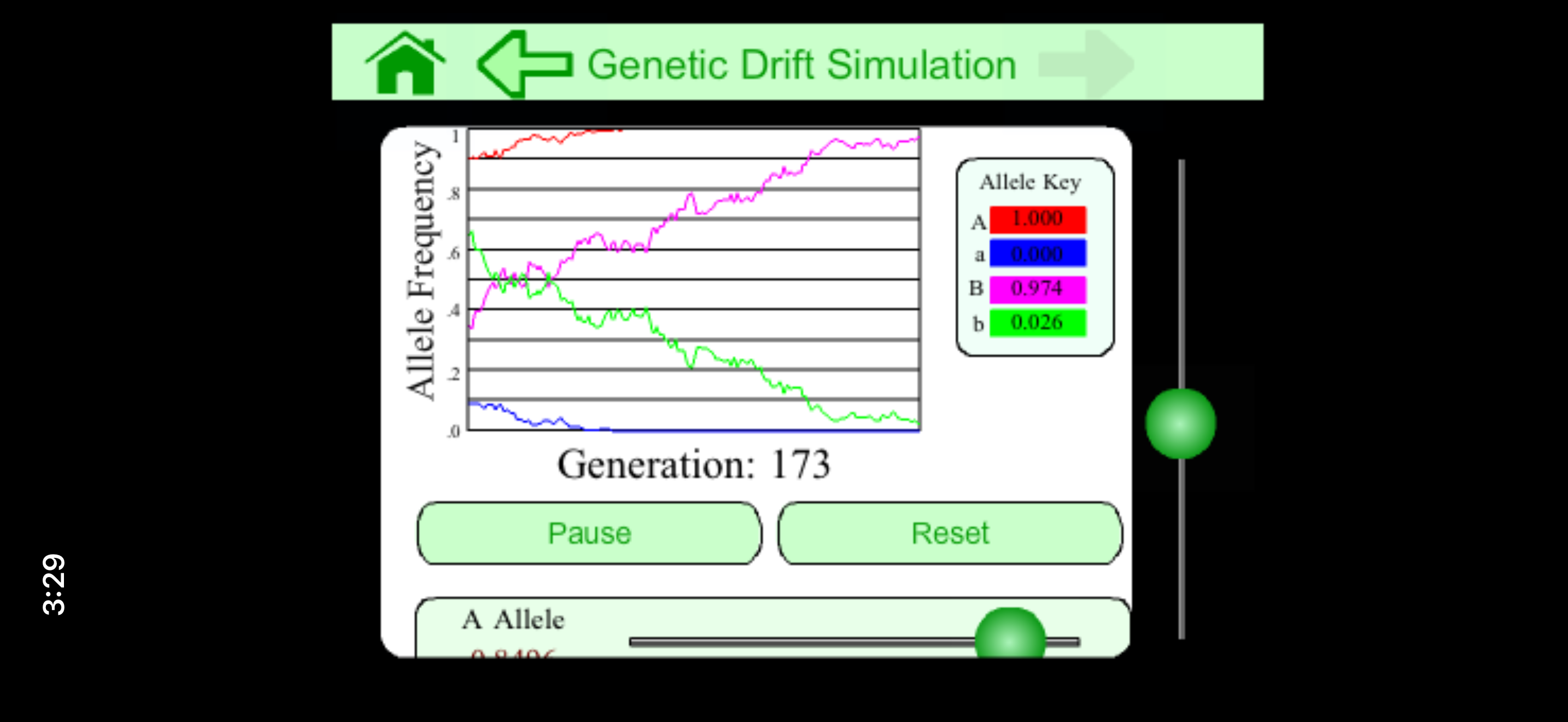
genetic drift, and genetic diversity. I thought the genetic drift simulations were cool, especially the
way they showed traits becoming fixed more quickly in smaller populations, but the most fun game was
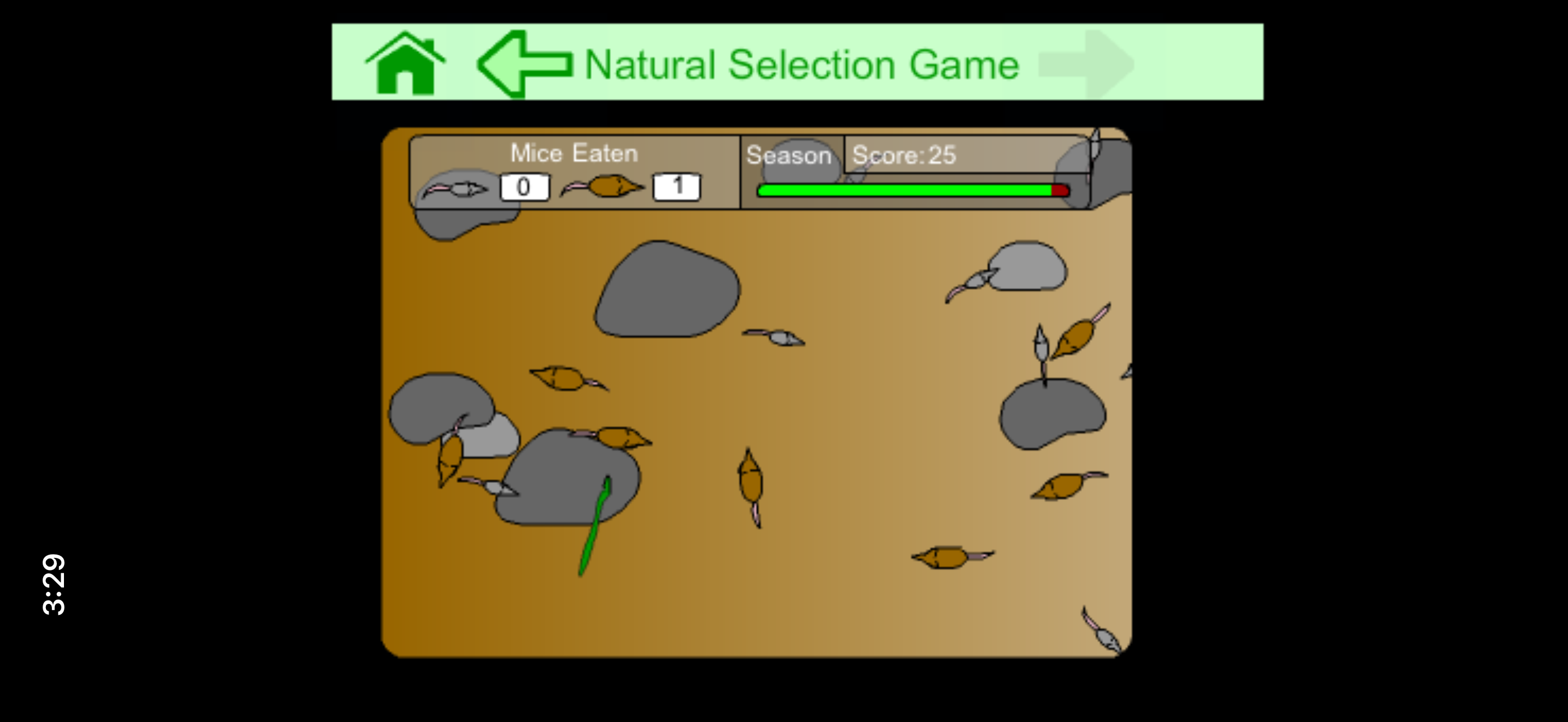
probably the natural selection one. It had small fast gray mice and slower fat brown mice, and the type
of mice you caught on one level changed the trait frequencies in the next. If you kept picking off the
slow brown mice, for example, you could eventually make them go extinct.
I also recorded some of the sound effects myself, including slithering sounds and mouse shrieks, into a
microphone while I was in a college computer lab. People were probably wondering what I was doing. I
still laugh thinking about that.
Topics for evolution, DNA, genetic drift, and natural selection.Scrollable lesson content mixed with illustrations and navigation.A natural selection game where catching more of one mouse type changed the next generation.Small populations reach fixation much faster in the drift simulation.Allele frequencies plotted over generations.A DNA synthesis game built as another way to make the concepts hands-on.
2016-202523.0K App Store unitsApple ID 960128234
Chineasily
My wife is Chinese, which is one of the reasons I became interested in learning Mandarin. I built
Chineasily partly for myself and partly because I thought it would be fun to make language practice more
visual and playful. I asked friends to record native audio. I recorded myself too, but my wife wisely
convinced me that native speakers were probably the better call.
I also had a friend in the art program create some of the artwork for the vocabulary words. The app had
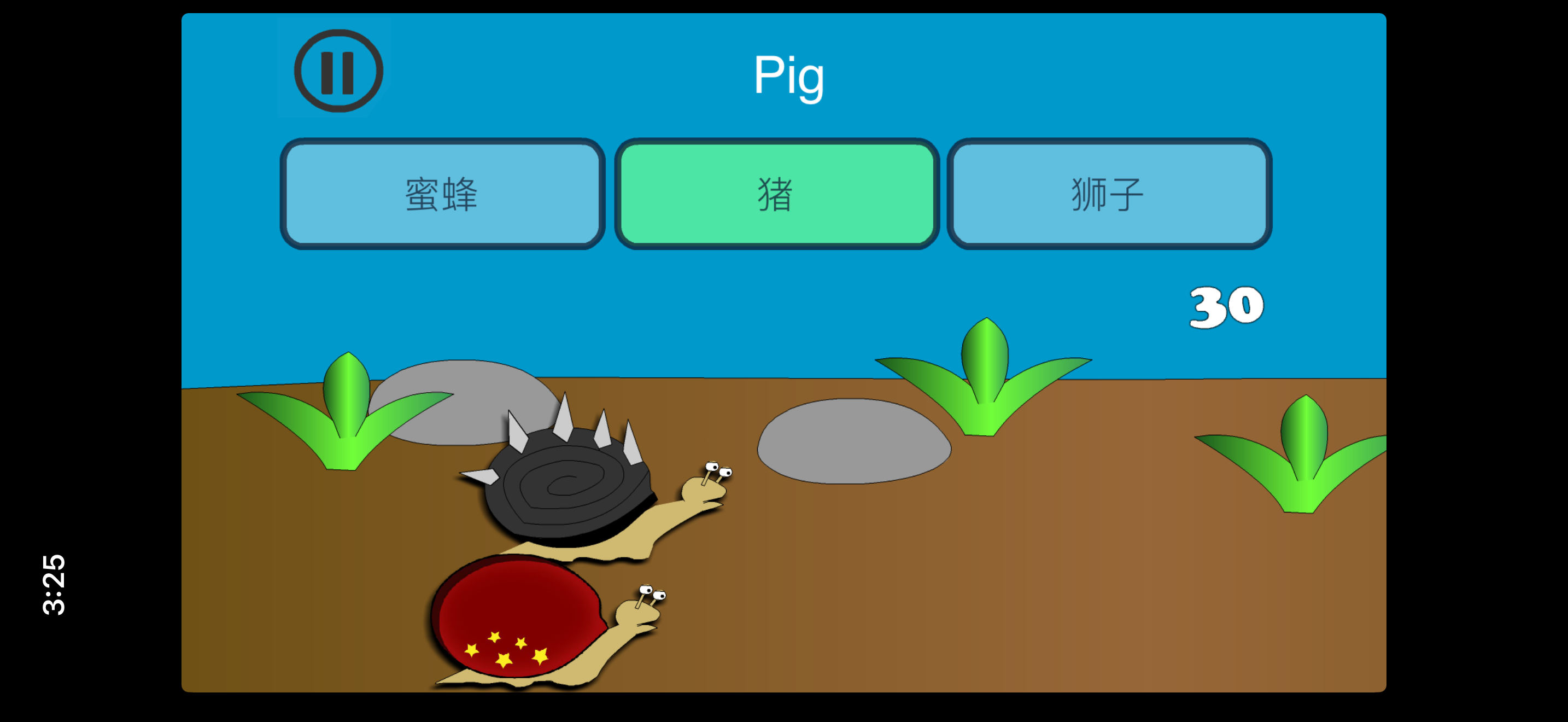
flashcards, a study mode, native audio, and mini games: a snail racing game for matching characters, a
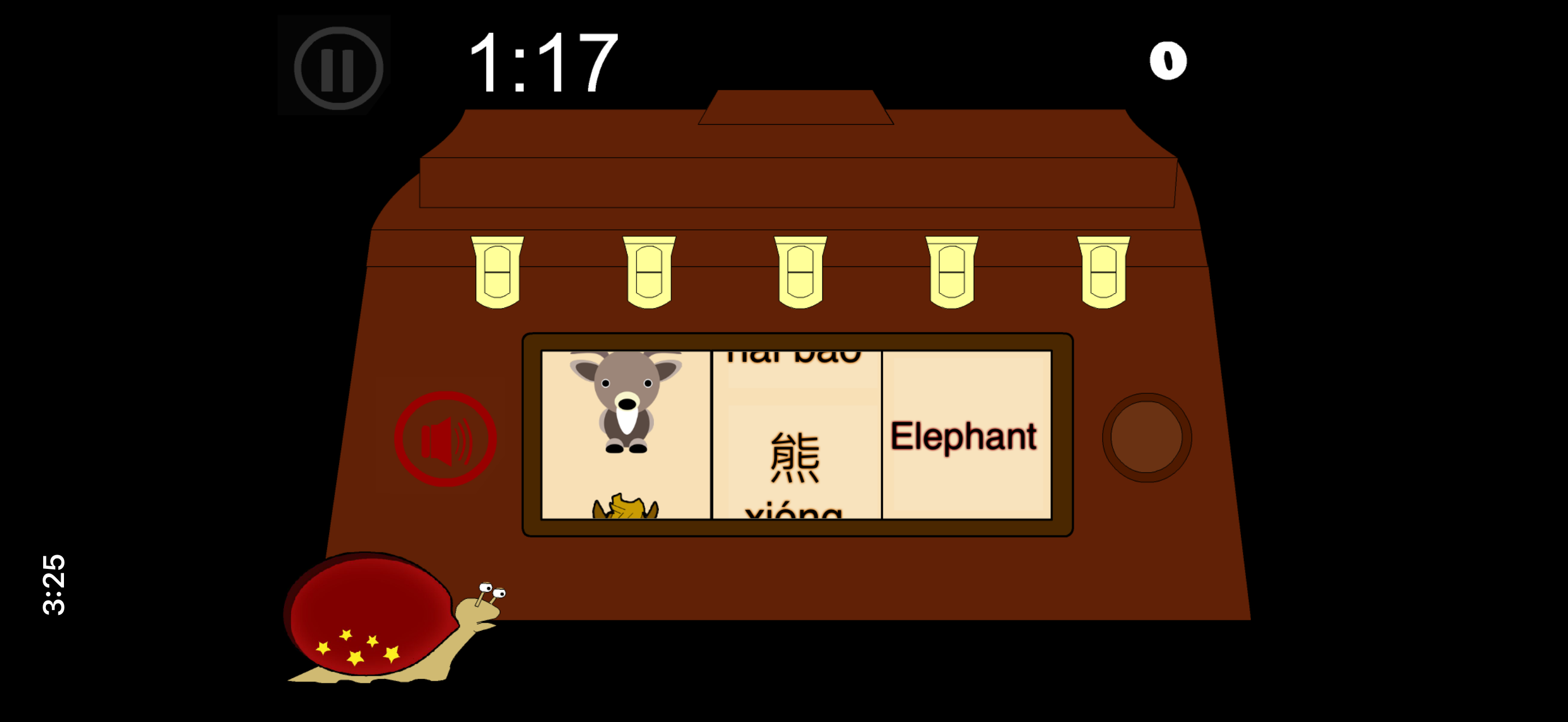
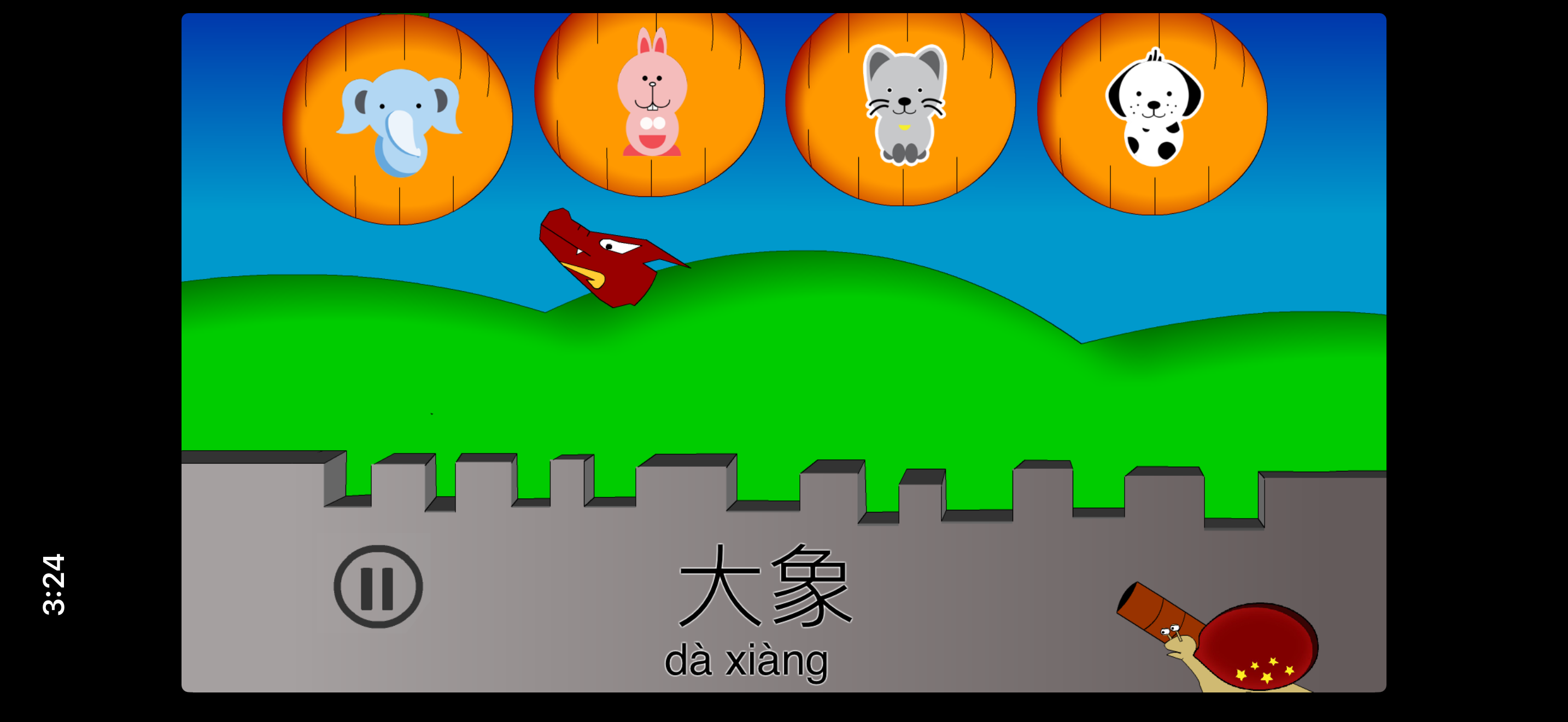
jewelry box game where you aligned image/native/target vocab with audio to unlock jewels, and a pumpkin
shooting game where you picked the correct image for the prompt.
I had a lot of fun with it, but I also realized it was not enough to really learn a language. It was
good for a small vocabulary set, but I kept wondering how to scale the idea to tens of thousands of
words, grammar, lessons, and more complete learning paths.
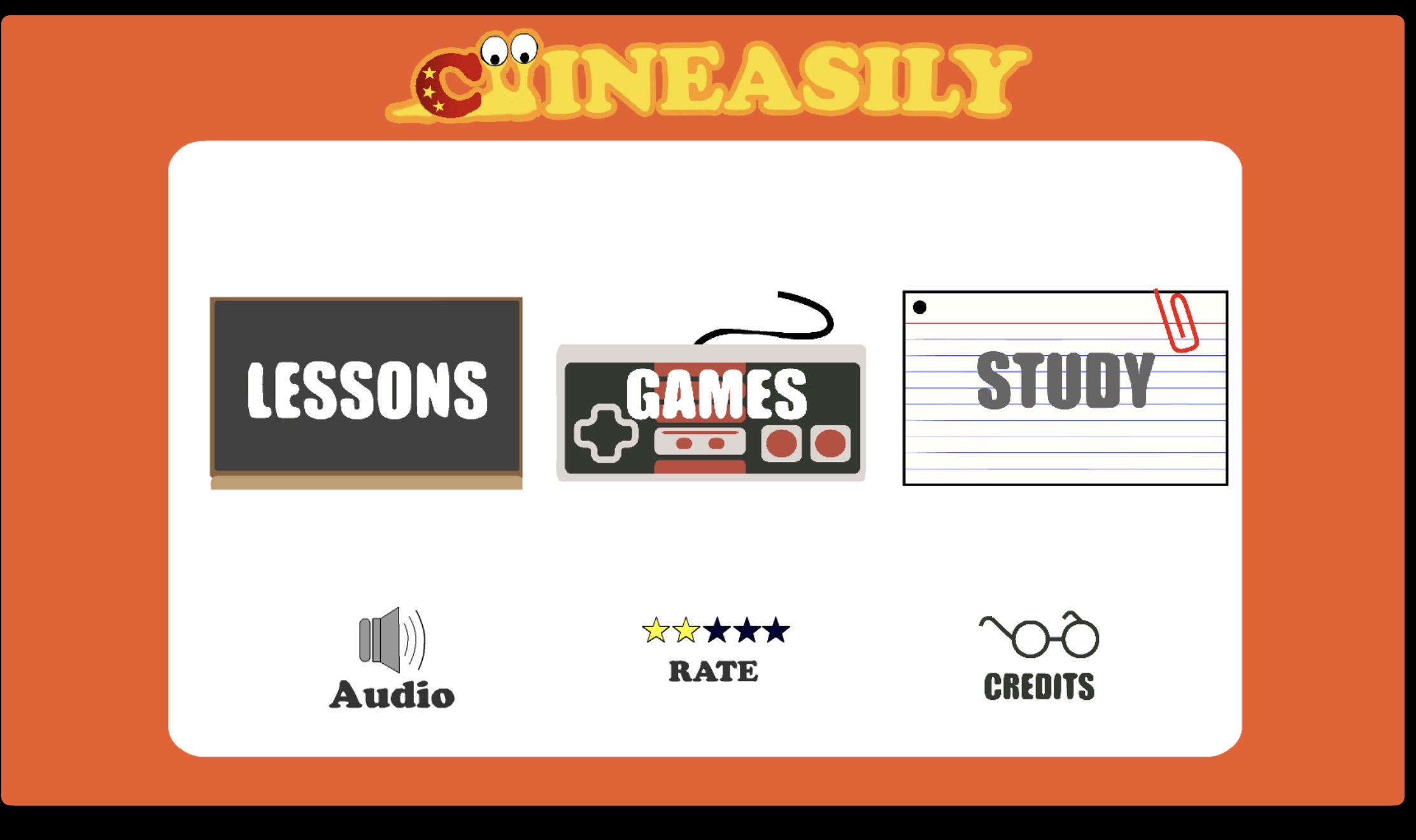
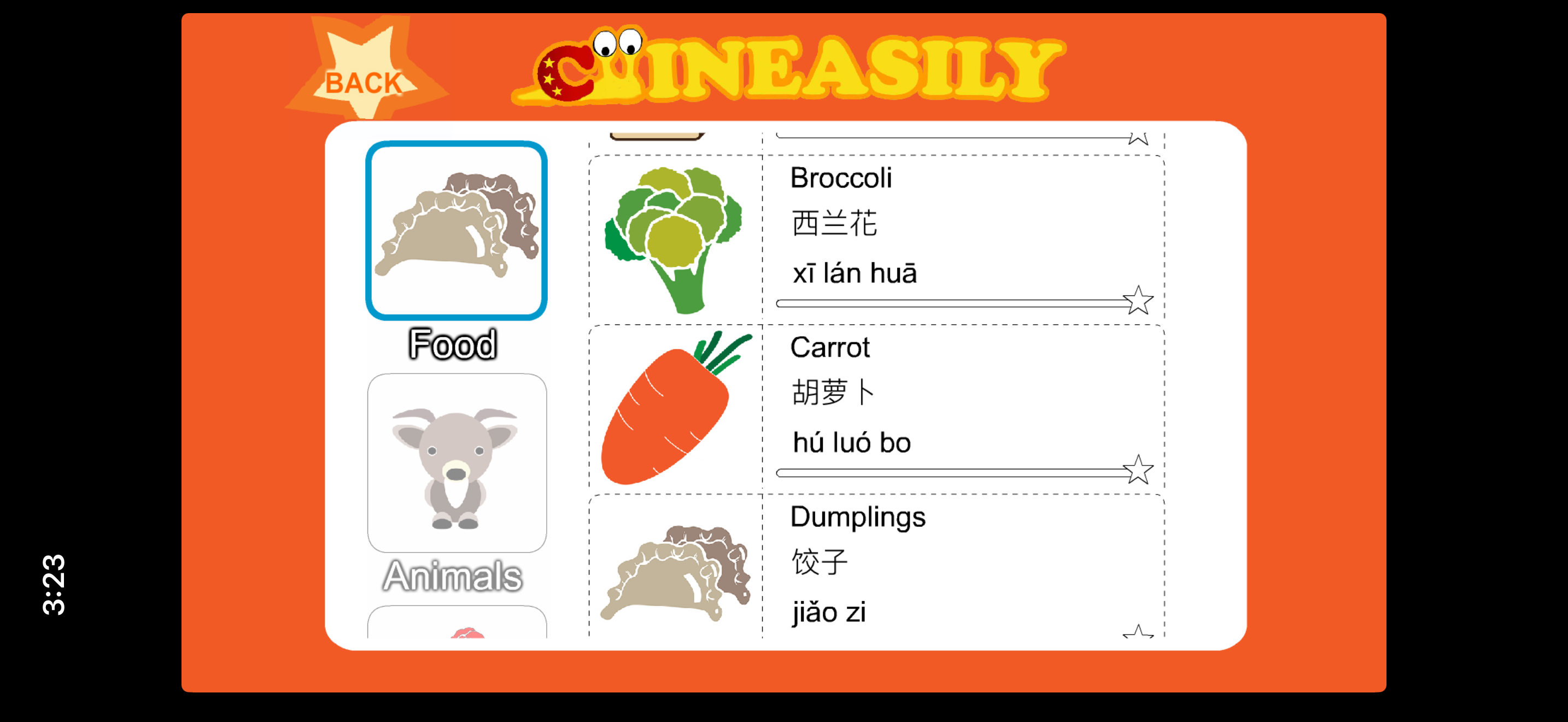
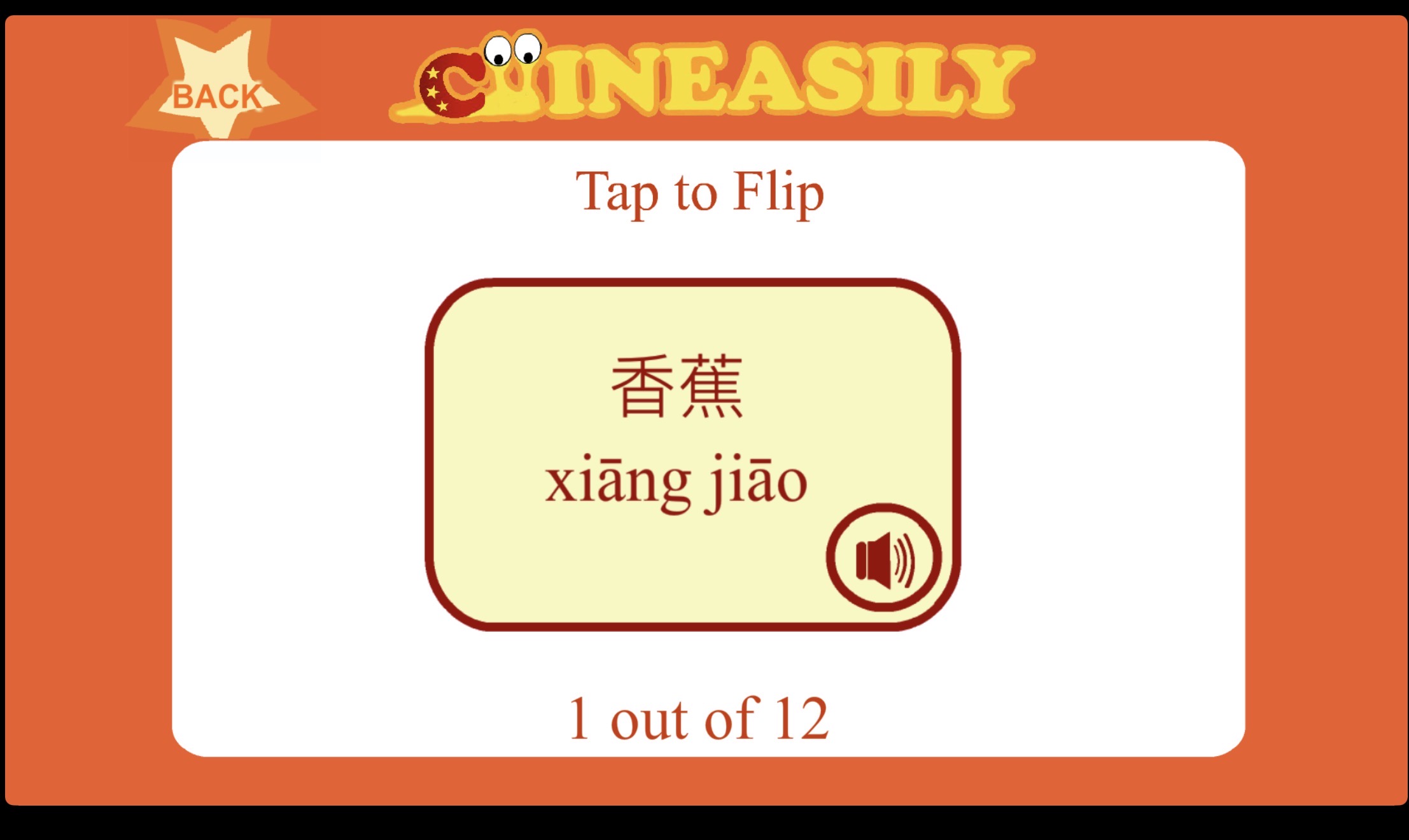
The main menu: lessons, games, study, audio, ratings, and credits.Visual vocabulary with English, Chinese characters, pinyin, and audio.Tap-to-flip flashcards for vocabulary practice.The snail racing game: answer correctly to move your snail along.The jewelry box game matched image, native text, target text, and audio.The pumpkin game: shoot the correct image for the Mandarin prompt.
Amazon
Large-scale systems, operational depth, and simplification.
I was promoted to L6 Senior Software Development Engineer in October 2024 after sustained ownership of
high-scale systems and simplification work.
CrossBorderListings / Build International Listings
Worked on systems that helped sellers sync product catalogs internationally through asynchronous,
event-driven workflows. This ecosystem supported marketplace expansion and contributed tens of billions
of dollars in Amazon retail revenue.
Invent and Simplify
Served as primary engineer on backend simplification and deprecation projects in the BIL ecosystem. The
work was recognized with an org-wide Amazon Invent and Simplify Award in 2024.
Developer-facing listing systems
Maintain and improve backend listing systems for external developers, including bulk JSON feed
processing, throttling, concurrency controls, CloudWatch metrics, and configurable rollouts.
Current Project
CourseNinja turns a prompt into a playable course.
This is the product I am building now: a React Native educational platform where people can create, edit,
publish, download, and study AI-generated courses with lessons, activities, games, media, and a catalog.
Product direction
From automating vocab words to generating whole courses.
Years ago, around 2018, I started experimenting with ways to scale the Chineasily idea: finding images
from providers with generous licenses, connecting translation and text-to-speech APIs, and even using
image recognition APIs to help validate generated vocabulary assets. I never finished and released that
version, but the idea stayed in the back of my mind.
Now the tools are finally powerful enough to move from individual words to entire learning experiences.
CourseNinja uses AI workflows to generate structured courses from prompts, and I am building the real
product around it: mobile UI, local course packages, backend workflows, account/auth flows, generated
media, course downloads, feedback, reviews, publishing controls, and the operational pieces needed to
keep improving it. I have already used over 4B Codex tokens building it out, along with Claude, AWS
Bedrock, and a lot of AWS services. I am having a blast.
AI Workflows
Generate and edit courses.
Prompt-driven authoring produces structured course packages, then supports iterative edits, generated
assets, and activity creation.
Learning App
Study through more than text.
Courses can include rich tutorials, vocab practice, quizzes, games, audio, images, and guided
exercises.
Catalog
Publish, share, and improve.
The platform includes discovery, downloads, ratings, feedback, private sharing, and creator workflows.
How I Work
I like systems that are useful, observable, and simple enough to keep improving.
Build the real thing.
I learn best by shipping real products and systems, then improving them with feedback, metrics, and
operational signal.
Simplify what matters.
The best engineering work often removes accidental complexity so teams can move faster and systems can
behave more predictably.
Keep the human thread.
Whether I am building educational games, marketplace infrastructure, or AI workflows, I care about what
the system makes possible for people.
Context
A little more of the story behind the resume.
This page is a working profile draft meant to give shape to the path behind my resume: early educational
games, Amazon-scale backend systems, and the CourseNinja product I am building now.